Have you ever wondered why some breads stay fresh longer than others? Preservatives play a crucial role in extending the shelf life of bread. Among them, calcium propionate stands out as a top choice.
In this article, we will explore why calcium propionate is regarded as the best preservative for bread. You’ll learn about its benefits, how it works, and practical applications in baking.
Understanding Bread Preservation
Why is Bread Prone to Spoilage?
Bread is a staple food enjoyed worldwide, but it is also susceptible to spoilage. Several factors contribute to this issue, primarily moisture content and nutrient composition. When bread is baked, it retains moisture, creating an environment perfect for mold and bacteria.
Key Factors in Bread Spoilage:
● Moisture Content: High moisture levels can lead to rapid mold growth, which is the most common form of spoilage.
● Nutrient Composition: The sugars and proteins in bread provide a food source for microorganisms, encouraging their growth.
Common types of spoilage include:
● Mold Growth: Mold appears as fuzzy patches and can develop quickly, especially in warm, humid environments.
● Bacterial Contamination: Certain bacteria can cause bread to spoil and develop off-flavors or textures.
Type of Spoilage | Description |
Mold Growth | Fuzzy patches that can spread quickly. |
Bacterial Contamination | Can lead to unpleasant odors and flavors. |
The Role of Preservatives in Bread
Preservatives are substances added to food to prevent spoilage and extend shelf life. Their primary function is to inhibit the growth of mold, bacteria, and other harmful microorganisms. By doing so, they help maintain the quality and safety of the bread we consume.
Why Are Preservatives Important?
● Extending Shelf Life: Preservatives slow down spoilage, allowing bread to stay fresh longer. This is especially important for commercial bakeries and retailers.
● Reducing Food Waste: With longer shelf lives, less bread is thrown away, contributing to a more sustainable food system.
Among the various preservatives available, calcium propionate is widely regarded as one of the best options for bread. It effectively inhibits mold growth without significantly impacting the flavor or texture of the bread. By using calcium propionate, bakers can ensure their products remain fresh and safe for consumers.
Benefits of Using Calcium Propionate:
● Inhibits mold and bacterial growth.
● Maintains bread's quality and taste.
● Complies with food safety regulations.
Incorporating preservatives like calcium propionate is crucial for maintaining the quality of bread. It not only helps in keeping bread fresh but also supports the overall food supply chain by minimizing waste.
Overview of Common Bread Preservatives
Types of Bread Preservatives
When it comes to preserving bread, two main categories of preservatives exist: chemical and natural. Each type has its own benefits and drawbacks, influencing how they are used in the baking industry.
Chemical Preservatives: These are synthetic substances designed to extend shelf life and prevent spoilage. Common examples include:
● Calcium Propionate: Widely used to inhibit mold growth while maintaining bread's flavor.
● Sodium Propionate: Similar to calcium propionate, it prevents mold but may slightly alter the taste.
● Potassium Sorbate: Effective against yeast and mold, often used in sweet breads and pastries.
Natural Preservatives: These come from natural sources and are often preferred by health-conscious consumers. Some examples are:
● Vinegar: Its acidity helps preserve bread and enhances flavor.
● Rosemary Extract: Known for its antioxidant properties, it can help extend shelf life.
Type of Preservative | Examples | Source |
Chemical | Calcium Propionate, Sodium Propionate, Potassium Sorbate | Synthetic |
Natural | Vinegar, Rosemary Extract | Plant-based |
Comparison of Preservatives
When evaluating different preservatives, several factors come into play, including their effectiveness in preventing spoilage, their impact on the final product, and safety considerations.
Effectiveness in Inhibiting Mold and Bacteria:
● Calcium Propionate is particularly effective against mold, extending the freshness of bread by several days. It works well in various pH levels and does not significantly affect yeast activity.
● Sodium Propionate also inhibits mold but may not be as effective in certain conditions compared to calcium propionate.
Impact on Flavor, Texture, and Fermentation Process:
● Preservatives can influence the overall quality of bread. While calcium propionate maintains the desired taste and texture, some preservatives might alter these characteristics. For instance, sodium propionate can impart a slightly salty flavor.
● The fermentation process is crucial for bread making, and some preservatives can interfere with yeast activity. Calcium propionate is known for its compatibility, allowing yeast to function effectively.
Safety and Regulatory Compliance:
● All preservatives used in food must meet safety regulations set by organizations like the FDA. Calcium propionate has been recognized as safe for consumption, making it a popular choice among bakers.
● Natural preservatives often have fewer regulatory hurdles but may not be as effective as their chemical counterparts in preventing spoilage.
Preservative | Effectiveness | Flavor Impact | Safety Compliance |
Calcium Propionate | High | Neutral | Safe |
Sodium Propionate | Moderate | Slightly Salty | Safe |
Potassium Sorbate | High | Neutral | Safe |
Vinegar | Moderate | Tangy | Safe |
Understanding the differences between these preservatives helps bakers make informed decisions about which ones to use. Each option offers unique benefits, allowing for flexibility in bread production while ensuring quality and safety.
Why Calcium Propionate Stands Out
What is Calcium Propionate?
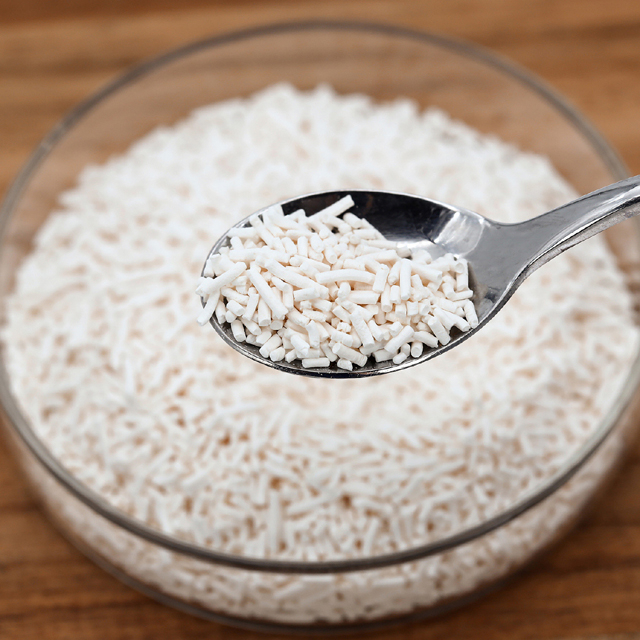
Calcium propionate is a widely used food preservative known for its effectiveness in extending the shelf life of baked goods. Its chemical composition includes calcium and propionic acid, which work together to inhibit mold and bacteria. This compound is not only limited to bread; it is also commonly found in products like cheese and various baked goods, making it a versatile choice for food manufacturers.
For reference, calcium propionate has the following identifiers:
● CAS Number: 4075-81-4
● EINECS Number: 223-795-8
These numbers help ensure compliance with regulatory standards and facilitate its safe use in food products.
Benefits of Using Calcium Propionate in Bread
Excellent Preservation Efficacy
One of the standout features of calcium propionate is its ability to effectively inhibit mold and bacterial growth. This preservation capability is crucial for maintaining the freshness of bread. Studies show that adding calcium propionate can extend the shelf life of bread by 2 to 4 days, significantly reducing waste in bakeries and retail environments.
Practical Application:
● The recommended dosage is between 0.1% and 0.3% based on the total weight of flour used. This small addition can make a big difference in the longevity of the final product.
Compatibility with Bread Fermentation
Calcium propionate is particularly valued for its compatibility with yeast fermentation. Unlike some other preservatives, it does not interfere with yeast activity. This is important because yeast is responsible for the rise and texture of bread. By allowing yeast to function normally, calcium propionate helps maintain the light and airy quality that consumers expect from fresh bread.
Key Points:
● It supports yeast fermentation, ensuring optimal gas production.
● Helps retain the desired texture and flavor of the bread.
Safety and Nutritional Value
Safety is a top priority in food production, and calcium propionate meets stringent food safety standards set by organizations like the WHO and FAO. It is recognized as safe for consumption, making it a reliable choice for bakers.
In addition to its preservative qualities, calcium propionate also provides nutritional benefits. It is a source of calcium, which is essential for bone health. This added nutritional value aligns with consumer demands for healthier food options, enhancing the overall appeal of products containing it.
Benefit | Description |
Safety Compliance | Meets WHO and FAO food safety standards. |
Nutritional Value | Provides calcium, contributing to dietary needs. |
Adaptability to Baking Conditions
Calcium propionate is highly adaptable to various baking conditions. It maintains its effectiveness even under high temperatures, which is crucial during the baking process. Additionally, it works well in different pH environments, particularly in dough with a pH below 5.5, where it exerts maximum antimicrobial effects.
Key Characteristics:
● Heat Stability: Remains effective during baking.
● pH Compatibility: Optimal performance in slightly acidic environments.
This adaptability makes calcium propionate an ideal preservative for a wide range of bread types, ensuring quality and safety throughout the product's shelf life.
Practical Application of Calcium Propionate
How to Use Calcium Propionate in Bread Making
Incorporating calcium propionate into bread recipes is straightforward and can significantly enhance the shelf life of your products. The recommended dosage for effective preservation is between 0.1% and 0.3% of the total flour weight. This small amount is enough to inhibit mold growth while ensuring the bread maintains its quality and taste.
Tips for Bakers:
● Mixing: Add calcium propionate during the dry ingredient stage to ensure even distribution throughout the dough.
● Testing: Start with 0.1% for initial batches, then adjust based on the desired shelf life and product characteristics.
● Monitoring: Keep an eye on the texture and flavor after adding calcium propionate to find the optimal balance.
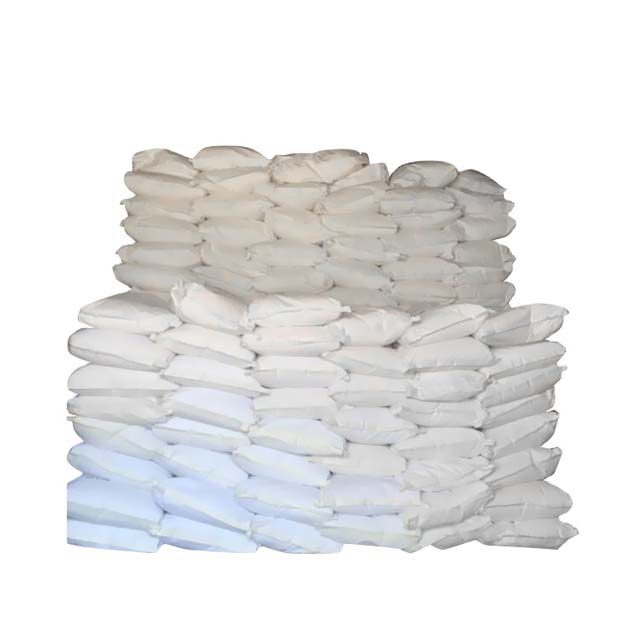
Packaging Options: Calcium propionate is available in various packaging formats to suit different production needs. Common options include:
● 200kg Drums: Ideal for medium-sized bakeries, providing a manageable amount for regular use.
● 1000kg IBCs (Intermediate Bulk Containers): Suitable for larger operations that require bulk quantities.
● Flexible Bags: Convenient for smaller bakeries or those looking to minimize storage space.
Packaging Type | Weight | Best For |
200kg Drums | 200 kg | Medium-sized bakeries |
1000kg IBCs | 1000 kg | Large-scale production |
Flexible Bags | Varies | Small bakeries and startups |
Packaging and Storage Considerations
Proper storage of bread containing calcium propionate is crucial for maximizing its shelf life and maintaining quality. Here are some best practices to follow:
● Temperature Control: Store bread in a cool, dry place to prevent moisture buildup, which can lead to spoilage.
● Sealed Packaging: Use airtight packaging to keep out air and moisture. This helps preserve freshness and prevents mold growth.
Impact of Packaging on Shelf Life: The type of packaging used can significantly affect the product's shelf life. For example, vacuum-sealed bags can extend freshness by reducing exposure to air, while traditional paper bags may allow for faster moisture absorption.
Packaging Type | Shelf Life Impact | Notes |
Vacuum-Sealed Bags | Extended | Reduces air exposure |
Plastic Wrap | Moderate | Keeps moisture in, but can trap humidity |
Paper Bags | Shortened | Allows air circulation, but can lead to quicker spoilage |
By carefully considering how to use calcium propionate and the packaging methods employed, bakers can significantly enhance the longevity and quality of their bread products. This attention to detail not only benefits the bakery but also enhances customer satisfaction with fresher, longer-lasting bread.
Case Studies and Testimonials
Success Stories from Bakeries
Many bakeries have embraced calcium propionate as a key ingredient in their recipes, leading to remarkable improvements in both shelf life and product quality. Here are a few success stories that highlight the benefits of using this effective preservative.
1. Fresh Breads Bakery Located in a bustling urban area, Fresh Breads Bakery specializes in artisanal loaves. After incorporating calcium propionate into their recipes, they reported a 30% reduction in spoilage. The owner, Sarah Thompson, shared, “Our customers love the freshness of our bread, and we’ve seen a noticeable decrease in returns due to mold. Calcium propionate has been a game changer for us!”
2. Country Loaf Bakery This family-owned bakery transitioned to using calcium propionate after struggling with short shelf lives. They now enjoy extended freshness, allowing them to offer their products in local markets without fear of spoilage. The head baker, John Lee, stated, “We can now deliver our bread to stores without worrying about it going stale. Our sales have increased by 25% since we made the switch!”
3. Artisan Bread Co. Artisan Bread Co. prides itself on quality and flavor. By adding calcium propionate, they maintained their bread's taste while extending its shelf life by an average of 4 days. Customer feedback has been overwhelmingly positive, with many praising the consistent quality. The marketing manager, Lisa Chen, noted, “Our customers appreciate the freshness, and it shows in our repeat business. Calcium propionate helps us deliver on our promise of quality.”
Bakery Name | Improvement in Shelf Life | Percentage Increase in Sales | Customer Feedback |
Fresh Breads Bakery | 30% reduction in spoilage | N/A | “Game changer for us!” |
Country Loaf Bakery | Extended freshness | 25% increase | “No more worries about staleness.” |
Artisan Bread Co. | 4 days longer | N/A | “Consistent quality!” |
These testimonials illustrate how calcium propionate not only enhances the freshness of bread but also contributes to overall business success. Bakeries that adopt this preservative can expect to see improvements in product quality and customer satisfaction, ultimately leading to increased sales and a stronger reputation in the market. With such positive outcomes, it's clear why many bakeries are turning to calcium propionate as their preservative of choice.
Conclusion
Choosing the right preservative for bread is crucial for quality and freshness. Calcium propionate stands out as the best option, effectively inhibiting mold and extending shelf life. Its compatibility with yeast and safety make it a reliable choice for bakers. We encourage you to consider calcium propionate in your baking for improved product quality and customer satisfaction.
FAQ
Q: Is calcium propionate safe for consumption?
A: Yes, calcium propionate is recognized as safe by food safety authorities like the FDA and WHO.
Q: Can I use calcium propionate in gluten-free bread?
A: Yes, it can be used in gluten-free bread recipes to extend shelf life.
Q: How does calcium propionate compare to natural preservatives?
A: Calcium propionate is more effective at inhibiting mold compared to many natural preservatives.
Q: Where can I purchase calcium propionate for baking?
A: It is available from food ingredient suppliers, baking supply stores, and online retailers.
Q: What are the key quality standards for calcium propionate?
A: Important indicators include acetone insoluble matter, moisture content, and acid value to ensure purity and effectiveness.


