Introduction
Have you ever wondered how sauces and creams get their smooth texture? The secret is thickening agents.
In this article, we'll explain what thickening agents are and why they are essential. You'll learn about their key functions in food, pharmaceuticals, and cosmetics.
At AUCO, we provide high-quality thickening agents to enhance your products. Learn more about our products.
Types of Thickening Agents
Thickening agents come in many different forms, each serving unique purposes based on their properties and applications.
Thickening Agent Type | Source | Common Uses |
Natural Thickeners | Plant/Seaweed | Sauces, soups, beverages, jellies |
Synthetic Thickeners | Chemically Produced | Food, cosmetics, pharmaceuticals |
Gel-Based Thickeners | Animal/Seaweed | Jellies, gummies, desserts |
Gum-Based Thickeners | Plant-Derived | Gluten-free foods, dressings, ice creams |
Natural Thickening Agents
These are derived from natural sources like plants and seaweed. Natural thickeners are often preferred for their organic and non-synthetic nature. They are widely used in food and beverage formulations to provide texture and consistency.
● Potato Starch: A highly effective thickener used in food products, particularly to enhance the texture and transparency of sauces, gravies, and soups.
● Gums: Xanthan gum and guar gum are popular natural thickeners. They are commonly used in gluten-free foods and beverages to improve texture and consistency.
● Agar-Agar: Derived from seaweed, agar-agar forms a gel and is widely used in jellies, desserts, and vegan alternatives to gelatin.
Synthetic Thickening Agents
These thickeners are produced through chemical processes and are generally more stable than natural ones. They are used in both food products and industrial applications, offering specific functional benefits such as enhanced texture and shelf stability.
● Carboxymethyl Cellulose (CMC): A versatile synthetic thickener used in a range of food and industrial applications, CMC improves texture and stability, especially in processed foods and cosmetics.
Gel-Based Thickeners
These thickeners form gel-like structures when mixed with water, creating products with a rich, smooth texture. Gel-based thickeners are ideal for products requiring a firm yet flexible consistency.
● Gelatin: Commonly used in desserts, candies, and jellies, gelatin has the ability to form a gel when cooled, providing the characteristic texture in gummy products and marshmallows.
● Agar: Known for its stronger gelling properties compared to gelatin, agar is often used in desserts and is a popular alternative for vegetarian and vegan applications.
Gum-Based Thickeners
Gum-based thickeners are derived from plants and help create a viscous liquid. They are commonly used in food, pharmaceuticals, and cosmetics to provide a smooth texture and enhance the consistency of liquids.
● Xanthan Gum: A popular thickening agent used in salad dressings, sauces, and gluten-free products. It stabilizes emulsions and enhances the texture without affecting the flavor of the product.
● Guar Gum: Derived from the guar bean, this thickener is often used in dairy products, sauces, and cosmetics to improve the product's viscosity and texture.
Definition and Importance of Thickening Agents
What Are Thickening Agents?
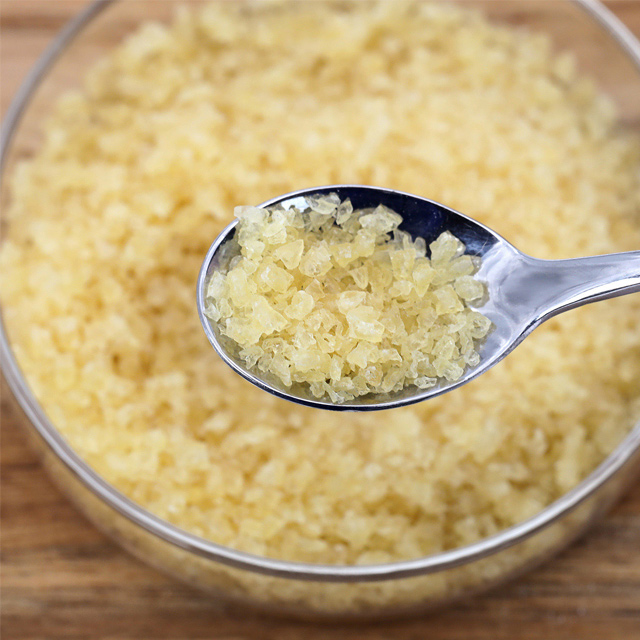
Thickening agents are substances that modify the consistency of liquids or semi-solid materials by increasing their viscosity. They can be either natural or synthetic and work by interacting with water molecules to create a thicker substance.
Importance of Thickening Agents
Thickening agents are crucial in many applications across various industries. They enhance the texture, stability, and mouthfeel of food products like sauces, soups, and beverages. In pharmaceuticals, they help in the formulation of suspensions and emulsions that are stable and easy to consume. In cosmetics, they ensure that creams, lotions, and gels maintain the desired texture and consistency.
Main Functions of Thickening Agents
The primary functions of thickening agents include enhancing the texture of products, preventing separation of ingredients, and making the product more visually appealing. In food, they help distribute flavors evenly, and in pharmaceuticals, they ensure the proper release and effectiveness of drugs.
Functions and Roles of Thickening Agents
Thickening agents perform several critical functions that enhance product quality and performance.
Texture Modification
Thickening agents are most commonly used to modify the texture of foods. They help create a creamy consistency in sauces, soups, gravies, and dairy products. This modification improves the overall sensory experience and makes products more appealing to consumers.
Flavor Distribution
By thickening liquids, these agents help distribute flavors more evenly throughout the product. In soups, sauces, and beverages, thickeners ensure that the flavor is consistent in every bite or sip.
Visual Impact
Thickening agents improve the visual appeal of products. They help create glossy, smooth textures in foods, enhancing their overall presentation. For example, thickening agents can make sauces and gravies look more appetizing by giving them a rich, smooth texture.
Stabilization
Thickeners also play a role in stabilizing products, ensuring that the ingredients do not separate over time. This is particularly important in emulsions, where thickening agents help prevent oil and water from separating in products like salad dressings and mayonnaise.
How Do Thickening Agents Work?
Thickening agents increase the viscosity of liquids by altering their molecular structure.
Viscosity and Gel Formation
Thickening agents increase the viscosity of liquids by absorbing water and forming a colloidal or gel-like structure. This change helps make liquids more stable and easier to handle.
Interaction with Liquids
When mixed with liquids, thickening agents interact with water molecules to form thicker mixtures. For example, starches swell when heated in water, creating a paste that thickens the mixture.
Activation by Heat or Cold
Some thickeners require heat to activate their thickening properties, such as cornstarch. Others, like gelatin, require cooling to set into a gel.

Common Uses of Thickening Agents
Thickening agents have a wide range of uses across multiple industries, providing significant benefits to product performance.
Food Industry
Thickening agents are widely used in the food industry to create consistent textures in products like soups, sauces, gravies, and desserts. They enhance the mouthfeel, giving foods a creamy or smooth consistency, and improve flavor distribution throughout the product. Thickeners like cornstarch and xanthan gum also provide stability, ensuring that ingredients do not separate over time.
Pharmaceutical Industry
In the pharmaceutical industry, thickening agents like CMC (Carboxymethyl Cellulose) and gelatin are used to prepare syrups, suspensions, and emulsions. These agents help maintain the uniform distribution of active ingredients, ensuring consistency in dosage and making the medication easier to swallow. Thickeners are particularly useful in creating stable formulations for oral and topical medications.
Cosmetics and Personal Care
Thickening agents are crucial in cosmetics, where they improve the texture and consistency of lotions, shampoos, creams, and gels. For instance, xanthan gum is commonly used in personal care products to give them a smooth, silky feel and to maintain a stable, uniform consistency. These agents also improve the spreadability of products on the skin or hair.
Other Industrial Applications
Beyond food, pharmaceuticals, and cosmetics, thickening agents are also used in industrial applications such as paints, adhesives, and coatings. They help improve the consistency of these products, making them easier to apply and more durable. Thickeners in coatings ensure that the product stays uniform, preventing issues like uneven application or separation.
Choosing the Right Thickening Agent
When selecting a thickening agent, several factors must be considered to ensure optimal performance in different applications.
Factors to Consider
The choice of thickening agent depends on the desired viscosity, temperature stability, and compatibility with other ingredients. For example, potato starch is often preferred in food applications for its smooth texture and transparency, while CMC is used in more complex formulations, especially in pharmaceuticals, where precise viscosity control is necessary.
Compatibility
Certain thickeners are better suited for specific applications. For instance, xanthan gum is ideal for gluten-free products, as it provides the necessary texture without gluten. On the other hand, starches are commonly used in traditional food formulations to achieve the desired consistency, particularly in sauces and gravies.
Regulatory Considerations
Thickening agents must comply with industry regulations, especially in food and pharmaceuticals, where safety and quality standards are strict. For instance, MCC (Microcrystalline Cellulose) is widely used as a food additive and in pharmaceuticals because it meets the necessary safety standards set by regulatory bodies like the FDA and EMA.
Advantages of Using Thickening Agents
Thickening agents offer several key benefits across various industries, playing an essential role in improving product performance and quality.
Improved Texture
Thickening agents are widely used to enhance the texture of products, making them more appealing and enjoyable to consume. For example, potato starch provides a smooth, creamy consistency that improves the eating experience in soups, sauces, and gravies. By thickening liquids, they create a richer mouthfeel and more satisfying texture.
Cost Efficiency
Thickening agents are cost-effective solutions for improving the consistency and texture of products. They help improve the performance of food, pharmaceuticals, and cosmetic products without the need for expensive ingredients or complicated manufacturing processes. By optimizing the use of less costly materials, thickening agents provide an economical way to achieve desired product qualities.
Versatility
Thickening agents are highly versatile and can be used across a wide range of industries. Whether in food and beverages, pharmaceuticals, or cosmetics, they help to improve product quality and performance. They are an essential part of many formulations, including soups, creams, lotions, and medicinal syrups, providing consistent results across diverse applications.
Challenges in Using Thickening Agents
While thickening agents provide valuable benefits, their use can present some challenges that need to be carefully managed.
Overuse or Underuse
Using too much or too little thickening agent can significantly affect the texture of a product. For instance, using excessive potato starch can create an overly thick texture that may not be desirable in sauces or soups. Conversely, underusing thickeners might result in a product that is too runny or lacks the desired consistency.
Possible Sensory Changes
Certain thickeners, such as guar gum, can affect the mouthfeel or taste of products, altering the sensory experience. For example, they may add a slightly different texture that consumers find either appealing or off-putting. Balancing the right amount of thickening agent is essential to ensure a smooth, pleasant sensory experience.
Stability Issues
Some thickeners, like gelatin, may not remain stable over time, especially in products exposed to temperature fluctuations or prolonged storage. For instance, gelatin can lose its thickening ability when exposed to high temperatures, making it less effective in certain applications. Therefore, it is important to choose a thickening agent that suits the specific needs of the product and its intended shelf life.
Conclusion
Thickening agents are vital in enhancing the texture, stability, and quality of products across industries. They play an indispensable role in food, pharmaceuticals, and cosmetics. With continuous innovation, their role will grow, especially with natural and sustainable alternatives. At AUCO, we provide high-quality thickening agents that ensure optimal product performance, safety, and compliance.
FAQ
Q: What are thickening agents?
A: Thickening agents are substances used to increase the viscosity of liquids or semi-solids, helping to improve texture and consistency in products like sauces, soups, and cosmetics.
Q: How do thickening agents work?
A: Thickening agents interact with liquids by absorbing water and forming a thicker mixture. They modify the texture and increase viscosity, enhancing product stability and mouthfeel.
Q: Why are thickening agents important?
A: Thickening agents are essential in food, pharmaceuticals, and cosmetics. They help stabilize products, improve texture, and ensure the uniformity of ingredients, contributing to product quality.
Q: What are the benefits of using thickening agents?
A: The use of thickening agents improves texture, enhances product stability, and creates a more appealing product, ensuring consistent performance across food, pharmaceuticals, and cosmetic applications.


