Is calcium propionate a friend or foe? This common food additive sparks debate about its safety. Understanding its effects on health is crucial for consumers.
In this article, we’ll explore the benefits and concerns surrounding calcium propionate. You’ll learn how it works, its uses, and whether it’s safe for your diet.
What is Calcium Propionate?
Definition and Chemical Composition
Calcium propionate is a widely used food additive. It serves primarily as a preservative, helping to extend the shelf life of various products. Chemically, it is the calcium salt of propionic acid, represented by the formula C3H5CaO2.
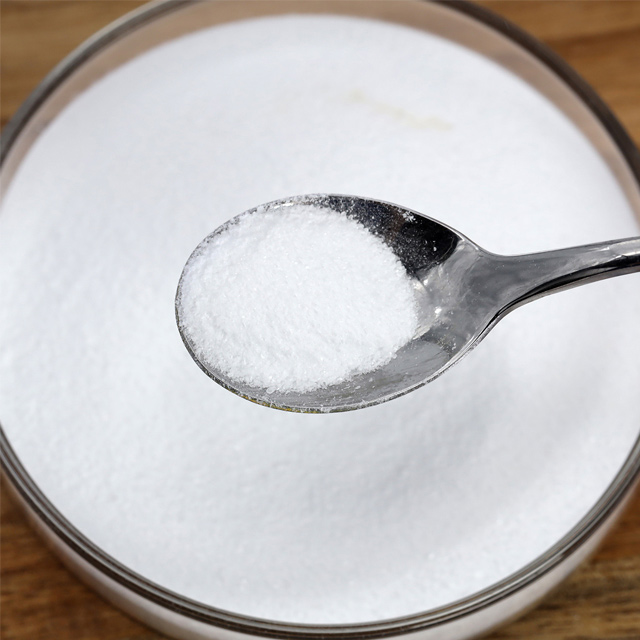
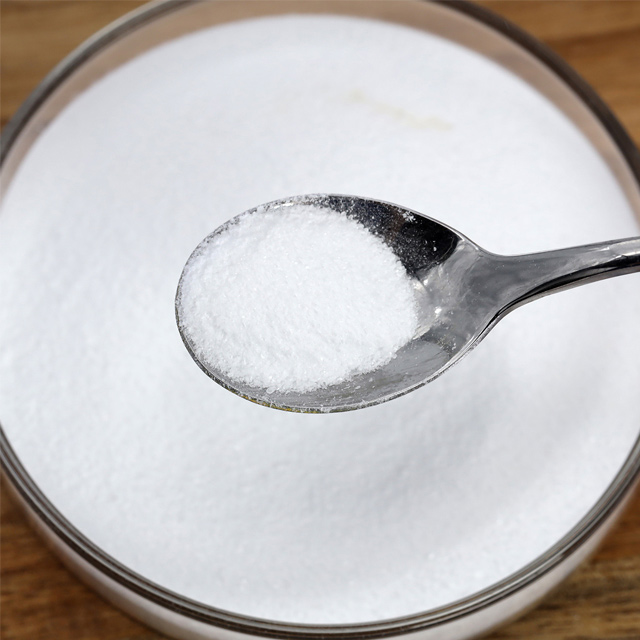
This compound appears as white, odorless crystals or a fine powder. It’s soluble in water, which makes it effective in various applications. Here’s a quick look at its chemical properties:
Property | Value |
Molecular Weight | 120.17 g/mol |
Solubility | Soluble in water |
pH (10% solution) | 8 - 10 |
Common Uses of Calcium Propionate
Calcium propionate plays a crucial role in the food industry. It is primarily known for its effectiveness as a preservative. By preventing mold and bacterial growth, it helps keep baked goods like bread and cakes fresh longer.
Role in the Food Industry
In baked products, calcium propionate inhibits the growth of spoilage organisms. This means that consumers can enjoy fresher products without worrying about rapid spoilage. It’s designated as E282 in the European Union, indicating its acceptance as a safe additive.
Applications in Animal Feed
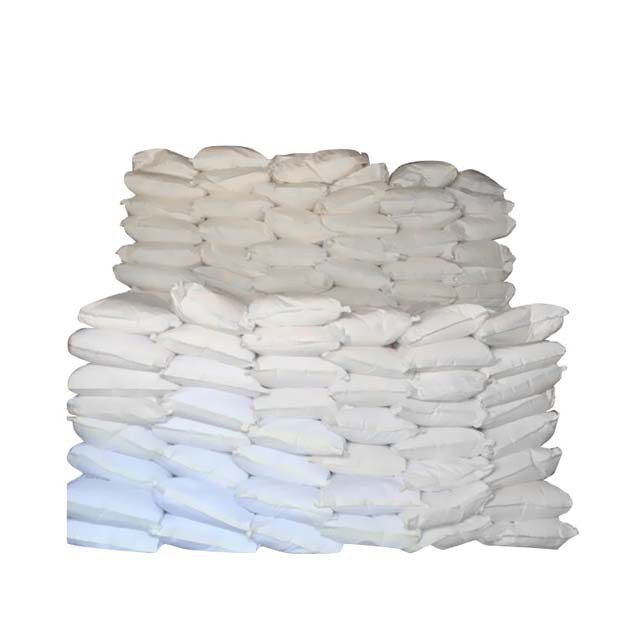
Beyond food, calcium propionate is also used in animal feed. It acts as both a preservative and a calcium supplement. This dual function enhances the nutritional value of the feed, promoting better growth and health in livestock and poultry.
Other Industrial Uses
Calcium propionate finds applications outside of food and feed. It is utilized in various industrial sectors, including:
● Coatings: Used in paints and coatings to improve stability and prevent microbial growth.
● Adhesives: Serves as a stabilizer in adhesive formulations.
● Pharmaceuticals: Acts as a preservative in certain medicinal products.
In summary, calcium propionate is a versatile compound with significant applications across industries. Its ability to enhance product shelf life and safety makes it valuable in both food and non-food contexts.
How Does Calcium Propionate Work?
Mechanism of Action
Calcium propionate works primarily as an antimicrobial agent. It inhibits the growth of various microorganisms, including molds, yeasts, and bacteria. By disrupting the metabolic processes of these organisms, it prevents spoilage and extends the shelf life of food products.
When added to baked goods, calcium propionate releases propionic acid in the presence of moisture. This acid lowers the pH, creating an environment that is hostile to many spoilage organisms. Here’s how it impacts different types of microbes:
Microorganism Type | Effect of Calcium Propionate |
Molds | Inhibits growth, preventing spoilage |
Yeasts | Reduces fermentation, extending freshness |
Bacteria | Slows reproduction, enhancing safety |
This mechanism is particularly effective in products like bread, where mold growth can lead to rapid spoilage.
Comparison with Other Preservatives
Calcium propionate is often compared to other common food preservatives, such as sodium benzoate and potassium sorbate. While all these additives serve similar purposes, there are key differences.
● Sodium Benzoate: Effective primarily in acidic foods. It works best at low pH levels, making it less versatile than calcium propionate.
● Potassium Sorbate: Commonly used in dairy and baked goods, it is effective against molds and yeasts but can be less effective against certain bacteria.
Advantages of Using Calcium Propionate
Calcium propionate offers several advantages over traditional preservatives:
1. Broad Spectrum of Activity: It effectively targets molds, yeasts, and bacteria, making it suitable for various food products.
2. Safety Profile: Recognized as safe by regulatory agencies, it has a long history of use in food preservation.
3. Nutritional Benefits: As a source of calcium, it contributes to the nutritional value of animal feed, promoting better health in livestock.
In summary, calcium propionate stands out as a versatile and effective preservative. Its unique mechanism of action and safety make it a popular choice in both food and feed applications.
Benefits of Calcium Propionate
Food Preservation
Calcium propionate is widely recognized for its role in food preservation. One of its primary benefits is extending the shelf life of baked goods and other foods. By inhibiting the growth of mold and bacteria, it keeps products like bread and cakes fresh for longer periods. This means fewer trips to the grocery store and less spoiled food at home.
Moreover, the use of calcium propionate significantly reduces food waste. With its ability to prolong freshness, consumers can enjoy their favorite baked goods without worrying about them going bad too quickly. Here's a quick look at how it impacts food preservation:
Benefit | Description |
Extended Shelf Life | Keeps baked goods fresh longer |
Reduced Spoilage | Minimizes waste by preventing mold growth |
Cost-Effective | Saves money by reducing food waste |
Nutritional Benefits in Animal Feed
In addition to its preservative qualities, calcium propionate offers nutritional benefits in animal feed. It acts as a valuable calcium supplement for livestock. Calcium is essential for strong bones and overall health, making this additive particularly beneficial for growing animals.
Furthermore, calcium propionate improves feed quality and nutrient absorption. By enhancing the digestibility of feed, it helps livestock and poultry absorb nutrients more effectively. This leads to better growth rates and healthier animals. Here’s how it contributes to animal health:
1. Calcium Supplement: Supports bone development and muscle function.
2. Improved Nutrient Absorption: Ensures animals get the most out of their feed.
3. Enhanced Growth: Promotes faster growth and better overall health.
Safety and Regulatory Approval
Safety is a top priority when it comes to food additives, and calcium propionate has a strong track record. It is approved by several regulatory agencies, including the FDA, WHO, and FAO. These organizations have recognized its safety for use in food and animal feed.
The historical context of its approval highlights its long-standing presence in the food industry. Studies have consistently shown low toxicity levels, supporting its status as Generally Recognized As Safe (GRAS). Here’s a brief overview of its safety certifications:
Regulatory Body | Status |
FDA | GRAS since 1979 |
WHO | Recognized as safe |
FAO | Approved for food use |
With these certifications, consumers can feel confident about the safety of calcium propionate in their foods and animal feeds. This reliability makes it a preferred choice for many manufacturers looking to ensure product quality and safety.
Potential Concerns About Calcium Propionate
Anecdotal Reports of Sensitivity
While calcium propionate is generally considered safe, some individuals report experiencing sensitivity after consuming products containing it. Claims often include headaches, particularly migraines, which some people believe are triggered by this additive. However, it is essential to approach these claims with caution.
Scientific evidence plays a crucial role in evaluating such reports. Many studies have not found a direct link between calcium propionate and adverse health effects. For instance, research often highlights that individual reactions can vary widely, but without substantial scientific backing, these anecdotal claims remain unverified. Here’s a brief overview of the situation:
Claim | Evidence |
Migraines | Limited scientific support |
General Sensitivity | Anecdotal, not broadly validated |
Toxicity and Safety Studies
When it comes to toxicity, numerous studies have investigated the safety of calcium propionate. Animal studies provide valuable insights into its effects. Research consistently shows that when used at normal levels, calcium propionate poses minimal risk.
For example, studies involving rats have demonstrated that even at higher doses, there were no significant adverse effects on growth or health. Here’s a summary of findings from key studies:
Study Type | Findings |
Animal Studies | No adverse effects at normal levels |
High Dose Studies | Minor effects only at extreme levels |
It’s crucial to clarify the difference between normal usage levels and high doses. While excessive consumption of any additive can lead to potential issues, the amounts typically used in food products are well within safe limits.
Misconceptions and Myths
Despite its safety profile, several misconceptions about calcium propionate persist. One common myth is that it is inherently harmful due to its chemical nature. This misunderstanding often stems from a general mistrust of food additives.
Addressing these myths is important. Many concerns are based on anecdotal evidence rather than scientific research. For example, claims suggesting calcium propionate causes long-term health issues lack robust data to support them. Here’s a look at some prevalent myths:
Myth | Reality |
Calcium propionate is toxic | No evidence supports this claim |
It causes widespread allergic reactions | Very few documented cases exist |
By clarifying these misconceptions, we can better understand calcium propionate's role in our food supply. Overall, while some individuals may report sensitivities, the scientific consensus supports its safety when consumed in typical amounts. It’s essential to rely on credible research rather than unverified claims.
Calcium Propionate in the Context of a Healthy Diet
Is It Safe for Regular Consumption?
When it comes to calcium propionate, many wonder if it is safe for regular consumption. Regulatory agencies, including the FDA, have established guidelines regarding its use in food products. Generally, the recommended daily intake is well within safe limits, allowing consumers to enjoy foods containing this additive without worry.
In comparing calcium propionate to other food additives, it’s important to note that many preservatives have similar safety profiles. For instance, additives like sodium benzoate and potassium sorbate are also considered safe when consumed in moderation. Here’s a quick overview of how calcium propionate stacks up against other common additives:
Additive | Safety Status | Typical Uses |
Calcium Propionate | Generally Recognized As Safe (GRAS) | Baked goods, animal feed |
Sodium Benzoate | GRAS | Beverages, pickles |
Potassium Sorbate | GRAS | Dairy products, baked goods |
However, it's essential to consider the cumulative effects of food additives. Over time, consuming multiple additives can lead to interactions, though current research indicates that normal dietary levels are safe. It’s always wise to be aware of what you eat and how much of it.
Balancing Additives in Your Diet
Maintaining a balanced diet is crucial for overall health, and this includes being mindful of food additives like calcium propionate. Moderation and variety are key principles in making healthy food choices. While it’s perfectly fine to include processed foods occasionally, focusing on whole foods can significantly enhance your diet.
Here are some tips for reading ingredient labels effectively:
1. Look for Whole Ingredients: Choose foods with recognizable and whole ingredients at the top of the list.
2. Check for Additives: Be aware of additives like calcium propionate and others; moderation is essential.
3. Understand Serving Sizes: Pay attention to serving sizes to gauge how much of an additive you are consuming.
Incorporating a variety of foods helps ensure you get a wide range of nutrients. Encourage a diet rich in fruits, vegetables, whole grains, and lean proteins. This approach not only supports your health but also allows for occasional indulgences in processed foods containing additives like calcium propionate.
By balancing your diet with whole foods and being mindful of additives, you can enjoy a healthy lifestyle while still savoring the convenience of processed products.
Conclusion
In summary, calcium propionate is a widely used food additive known for its preservative qualities. It effectively extends the shelf life of baked goods and is safe for regular consumption. Regulatory agencies have recognized its safety, supporting its use in food and animal feed.
As you navigate food choices, remember to balance whole foods and processed items. Being informed about additives like calcium propionate helps you make healthier decisions for your diet.
FAQ
Q: What is the acceptable daily intake of calcium propionate?
A: The acceptable daily intake of calcium propionate is not specifically defined, but it is recognized as safe by regulatory agencies when used in typical food amounts.
Q: Can calcium propionate cause allergic reactions?
A: Allergic reactions to calcium propionate are rare, but some individuals report sensitivities, such as headaches.
Q: How does calcium propionate compare to natural preservatives?
A: Calcium propionate is effective like natural preservatives, offering longer shelf life and broader antimicrobial action.
Q: Where can I find calcium propionate in food products?
A: Calcium propionate is commonly found in baked goods, processed cheese, and some animal feeds.
Q: What are the key quality specifications for calcium propionate?
A: Key specifications include assay levels for purity, heavy metal content, and moisture levels, ensuring safety and effectiveness.


