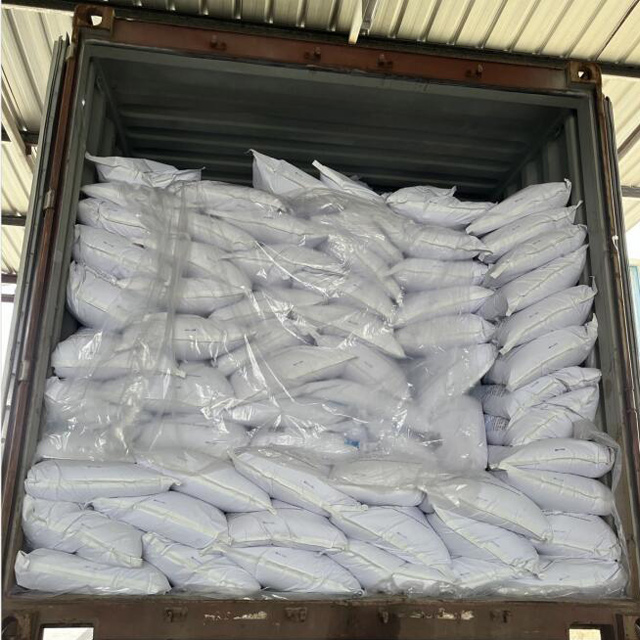
Is calcium propionate a natural ingredient or a synthetic chemical? This question matters to many consumers today.
Understanding the origin of calcium propionate can influence your choices in food and animal feed.
In this article, we’ll explore its production methods, safety standards, and what you need to know about this common additive.
What is Calcium Propionate?
Definition and Chemical Composition
Calcium propionate is a widely used food additive known for its preservative properties. Chemically, it is the calcium salt of propionic acid. Its chemical formula is C₃H₅CaO₂, and it is recognized by its CAS number, 4075-81-4. This compound appears as colorless crystals or a white powder, often with a mild odor reminiscent of propionic acid.
Property | Details |
Chemical Formula | C₃H₅CaO₂ |
CAS Number | 4075-81-4 |
Physical Form | Colorless crystals or white powder |
Odor | Mild, reminiscent of propionic acid |
Common Uses of Calcium Propionate
Calcium propionate plays a crucial role in food preservation. As a food additive, it is designated as E282 in the European Union. Its primary function is to inhibit the growth of molds and bacteria, which helps extend the shelf life of various products.
Applications in the Food Industry
This additive is commonly found in baked goods such as bread, cakes, and pastries. It helps prevent spoilage, ensuring that these items remain fresh for longer periods. Additionally, calcium propionate is often used in:
● Vinegar: Enhancing shelf stability.
● Soy Sauce: Maintaining flavor and quality.
● Processed Foods: Acting as a preservative in various formulations.
Beyond its applications in food, calcium propionate is also utilized in animal feed. It serves as both a preservative and a calcium supplement, promoting animal health and growth. By preventing mold growth in feed, it enhances the storage life and nutritional value of the feed.
AUCO's Commitment to Quality
At AUCO, the focus is on providing high-quality, verified food ingredients. Their calcium propionate meets stringent safety and quality standards, ensuring that it is safe for both human consumption and animal use. With a commitment to transparency and quality, AUCO aims to deliver products that consumers can trust.
In summary, calcium propionate is a versatile compound with essential roles in food preservation and animal nutrition. Its effectiveness as a preservative makes it a valuable ingredient in many products we consume daily.
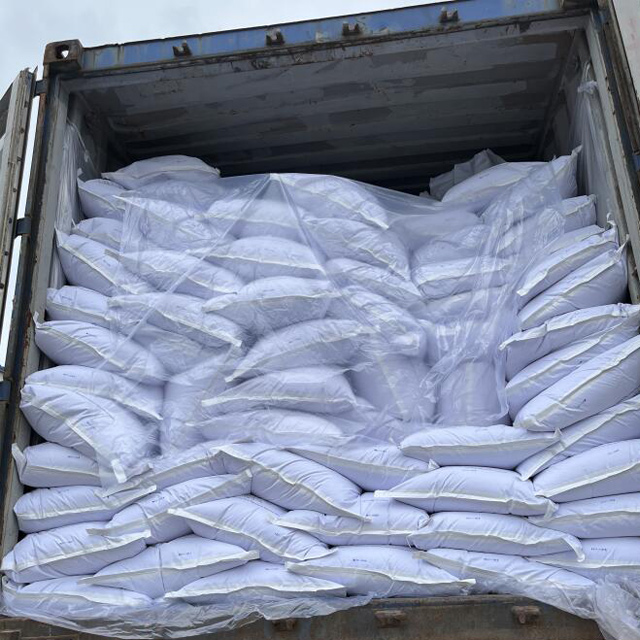
Natural vs. Synthetic Calcium Propionate
Defining Natural Calcium Propionate
Natural calcium propionate is typically produced through a process called microbial fermentation. This method involves using specific microorganisms, such as certain strains of bacteria, to convert substrates into propionic acid. The propionic acid is then reacted with calcium sources to form calcium propionate. This process aligns with the growing trend for "clean label" products, appealing to consumers who prefer minimally processed ingredients.
Examples of Natural Sources and Processes:
● Microbial Fermentation: Propionibacterium species are commonly used in this process.
● Natural Substrates: These can include carbohydrates like molasses or whey, which serve as the food source for the bacteria.
The resulting natural calcium propionate is often viewed as a healthier option due to its biological origins. Consumers appreciate the transparency of knowing that their food additives come from natural processes.
Defining Synthetic Calcium Propionate
In contrast, synthetic calcium propionate is produced through chemical synthesis. This method typically involves reacting propionic acid, which is often derived from petrochemical sources, with calcium carbonate or calcium hydroxide. This process allows for large-scale production and can be more cost-effective than natural fermentation methods.
Typical Raw Materials Used:
Material | Description |
Propionic Acid | Usually sourced from industrial suppliers. |
Calcium Source | Commonly calcium carbonate or calcium hydroxide. |
AUCO’s documentation highlights their commitment to quality in synthetic production. They ensure that the raw materials meet strict safety standards, resulting in a product that is both effective and safe for use in food and animal feed.
While synthetic calcium propionate may lack the "natural" label, it is produced under controlled conditions, ensuring consistency and reliability. The choice between natural and synthetic often comes down to personal preference, cost considerations, and specific application needs in food or feed formulations.
How is Calcium Propionate Made?
The Production Process of Natural Calcium Propionate
Natural calcium propionate is produced primarily through a process known as microbial fermentation. This method utilizes specific bacteria, such as Propionibacterium, to convert carbohydrates into propionic acid. The process begins with preparing a nutrient-rich medium, which is essential for the bacteria to thrive.
1. Fermentation Stage: In this stage, the selected bacteria are introduced to the medium. They metabolize the carbohydrates, producing propionic acid as a byproduct.
2. Calcium Reaction: The propionic acid is then reacted with a calcium source, such as calcium carbonate or calcium hydroxide, to form calcium propionate.
Benefits of Using Natural Methods:
● Healthier Perception: Many consumers prefer natural products due to their minimal processing.
● Sustainability: Utilizing renewable resources for fermentation aligns with sustainable practices.
● Flavor Preservation: Natural calcium propionate helps maintain the flavor and quality of food products without synthetic additives.
The Production Process of Synthetic Calcium Propionate
On the other hand, synthetic calcium propionate is created through a chemical synthesis process. This method allows for large-scale production, ensuring a consistent supply of the additive. Here’s a step-by-step breakdown of how it works:
1. Raw Material Preparation: The primary raw material, propionic acid, is typically sourced from industrial suppliers.
2. Chemical Reaction: Propionic acid is reacted with calcium carbonate or calcium hydroxide under controlled conditions. This reaction produces calcium propionate.
3. Purification: The resulting product undergoes purification to remove any impurities, ensuring high quality.
Step | Description |
1. Raw Material Preparation | Propionic acid sourced from reliable suppliers. |
2. Chemical Reaction | Reaction with calcium carbonate or hydroxide. |
3. Purification | Ensures the final product meets safety standards. |
The importance of controlled industrial conditions cannot be overstated. These conditions ensure that the synthesis process is efficient and consistent. AUCO emphasizes its commitment to international food safety standards, ensuring that their synthetic calcium propionate is safe for consumption. By adhering to these standards, AUCO provides a reliable product that meets the needs of various industries, including food and animal feed.
In summary, both production methods for calcium propionate have their unique advantages and processes. Whether derived from natural or synthetic sources, it remains a vital ingredient in many applications.
Safety and Quality Standards
Regulatory Standards for Calcium Propionate
Calcium propionate is subject to strict safety regulations in both food and feed industries. These regulations are designed to protect consumers and ensure that additives meet specific safety criteria. In many countries, authorities like the FDA (Food and Drug Administration) and EFSA (European Food Safety Authority) oversee the use of food additives, including calcium propionate.
Key Certifications:
● ISO/IEC 17025:2017: This certification ensures that laboratories conducting tests and calibrations are competent and produce valid results. It is crucial for maintaining high standards in quality assurance.
● CMA Certification: This is another important certification for testing laboratories in China, ensuring compliance with national standards.
Certification | Description |
ISO/IEC 17025:2017 | Ensures laboratory competence and valid testing results. |
CMA Certification | Validates compliance with Chinese national testing standards. |
These regulatory frameworks help maintain consumer trust in products containing calcium propionate. They ensure that the additive is safe for consumption and effective in its role as a preservative.
Quality Specifications
When it comes to quality specifications, calcium propionate must adhere to several critical indicators. Purity is paramount, as it directly impacts the effectiveness and safety of the additive. The following quality indicators are essential:
● Purity Level: Calcium propionate should have a purity of at least 99%, ensuring that it is free from harmful contaminants.
● Heavy Metals: Regulations typically limit heavy metal content to very low levels, often less than 10 mg/kg, to prevent toxicity.
● Moisture Content: Excess moisture can affect the stability and shelf life of the product, so it is usually kept below 9.5%.
Quality Indicator | Standard |
Purity | ≥ 99% |
Heavy Metals | ≤ 10 mg/kg |
Moisture Content | ≤ 9.5% |
Testing and documentation are vital in ensuring product safety. Manufacturers like AUCO implement rigorous quality assurance processes to verify that their calcium propionate meets these specifications. They conduct regular testing to monitor for impurities and ensure compliance with safety standards.
AUCO’s commitment to quality is reflected in its transparent testing results and adherence to international safety standards. By prioritizing these practices, they provide a reliable product that consumers can trust, whether used in food or animal feed applications.
Advantages and Disadvantages of Natural and Synthetic Calcium Propionate
Benefits of Natural Calcium Propionate
Natural calcium propionate is increasingly favored by consumers who prefer “clean label” products. These products are perceived as healthier and more trustworthy because they come from natural sources. Many people feel more comfortable knowing that their food additives are derived from fermentation processes rather than synthetic chemicals.
Potential Health Benefits and Perceptions:
● Perceived Safety: Consumers often believe that natural ingredients are safer and less likely to cause adverse reactions.
● Nutritional Value: Some studies suggest that naturally produced additives may retain some beneficial properties, though this can vary.
● Positive Brand Image: Companies using natural calcium propionate can enhance their brand image by appealing to health-conscious consumers.
Benefits of Synthetic Calcium Propionate
Synthetic calcium propionate offers several advantages, particularly in terms of cost and availability. This type of calcium propionate is often produced on a larger scale, making it more accessible for manufacturers.
Cost-effectiveness and Availability:
● Lower Production Costs: Synthetic production methods can be less expensive, allowing for competitive pricing.
● Consistent Supply: Manufacturers can rely on synthetic calcium propionate for a steady supply, reducing the risk of shortages.
Consistency in Quality and Performance:
● Standardized Production: Synthetic processes ensure uniformity in quality, making it easier for food producers to maintain product consistency.
● Reliable Performance: The predictable nature of synthetic additives means they perform consistently in various applications.
AUCO focuses on providing affordable, high-quality synthetic calcium propionate. Their commitment to quality ensures that even synthetic products meet rigorous safety and performance standards.
Drawbacks of Each Type
While both natural and synthetic calcium propionate have their benefits, there are also drawbacks to consider.
Potential Concerns Regarding Synthetic Additives:
● Consumer Skepticism: Some consumers are wary of synthetic additives, associating them with artificial ingredients and potential health risks.
● Perceived Lack of Transparency: The production processes for synthetic additives can seem less transparent to consumers.
Limitations of Natural Production Methods:
● Higher Costs: Natural calcium propionate can be more expensive to produce, which may lead to higher prices for consumers.
● Variable Quality: The quality of natural products can sometimes vary based on the fermentation process and raw materials used.
Type | Advantages | Disadvantages |
Natural Calcium Propionate | Clean label appeal, perceived safety, potential health benefits | Higher costs, variable quality |
Synthetic Calcium Propionate | Cost-effective, consistent quality, reliable supply | Consumer skepticism, perceived lack of transparency |
Understanding these advantages and disadvantages helps consumers make informed choices about the calcium propionate they prefer in their food and products.
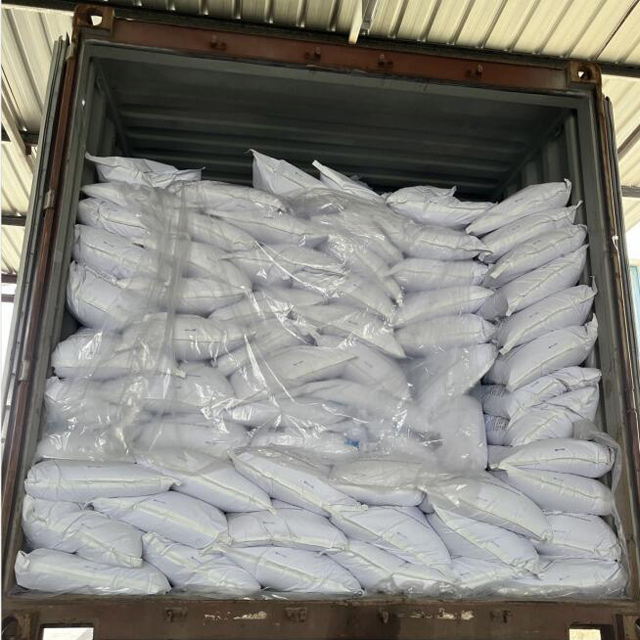
Consumer Perspectives on Calcium Propionate
What Do Consumers Want?
In today's market, consumers are increasingly aware of the ingredients in their food. There is a significant trend toward natural products, driven by health-conscious shoppers who prioritize what they eat. Many consumers actively seek out "clean label" products, which feature minimal processing and recognizable ingredients. This shift reflects a desire for transparency and trust in the food supply.
Trends in Consumer Awareness:
● Growing Demand for Natural Ingredients: Many people prefer natural over synthetic additives, believing they are safer and healthier.
● Ingredient Transparency: Consumers want to know where their food comes from and how it is made. They often research products before making purchases.
How to Choose Calcium Propionate Products
When selecting calcium propionate products, it's essential for consumers to be informed. Here are some tips to help navigate the choices available:
1. Read Labels Carefully: Look for products that clearly list calcium propionate and any other additives. Understanding the ingredient list is crucial.
2. Understand Ingredient Sources: Research whether the calcium propionate is natural or synthetic. Knowing the production method can influence your choice.
3. Sourcing from Reputable Suppliers: Choose brands known for their commitment to quality and transparency.
Tip | Description |
Read Labels Carefully | Check for clear ingredient lists and definitions. |
Understand Ingredient Sources | Know if the product is natural or synthetic. |
Sourcing from Reputable Suppliers | Select brands with a focus on quality and transparency. |
AUCO stands out for its transparent supply chain and customer-oriented approach. They provide detailed information about their calcium propionate, ensuring consumers can make educated decisions. By prioritizing ingredient integrity and quality, AUCO builds trust with its customers, aligning with the growing demand for transparency in food products.
As consumers become more discerning, understanding what goes into their food becomes paramount. This knowledge not only empowers them but also fosters a healthier relationship with the products they choose.
Conclusion
In this article, we explored whether calcium propionate is natural or synthetic. We discussed its production methods, safety standards, and consumer perspectives. Understanding the differences between natural and synthetic calcium propionate is crucial for making informed choices.
As consumers become more aware, it’s important to prioritize ingredient transparency and quality. By staying informed, you can choose products that align with your health preferences and values.
FAQ
Q: Is calcium propionate safe for consumption?
A: Yes, calcium propionate is generally recognized as safe by food safety authorities when used within recommended limits.
Q: Can calcium propionate cause allergic reactions?
A: Allergic reactions to calcium propionate are rare, but some individuals may experience sensitivities.
Q: How does calcium propionate compare to other preservatives?
A: Calcium propionate effectively prevents mold and bacterial growth, similar to other preservatives but often preferred for its natural origins.
Q: Where can I find calcium propionate in products?
A: You can find calcium propionate in baked goods, processed foods, and animal feed as a preservative.
Q: What are the key quality indicators for calcium propionate?
A: Key indicators include purity (≥99%), low heavy metal content, and moisture levels (≤9.5%).


